Wildlife in Marloth Park
Most of Marloth's animals walk through the gardens. Here's who you're likely to meet and how to behave around them, with a look across the river into Kruger.
In Marloth Park itself you'll see giraffe, kudu, zebra, blue wildebeest, impala, nyala, bushbuck, duiker, warthog, mongoose, baboons and vervet monkeys, with bushbabies at night and plenty of birds. There are no elephants in Marloth. The lion and buffalo live in Lionspruit, the fenced reserve on the south side. For all of the big five, look across the Crocodile River into Kruger, or drive in.
Animals you'll see around the houses
These animals move freely between the stands, through gardens and across the roads. Volunteers count them twice a year. The table has the figures for September 2024 to May 2025, with an allowance for animals missed during the count. The count was done before large numbers of animals were moved out in 2025 to ease overgrazing.
| Animal | Counted 2024-25 | What to know |
|---|---|---|
| Impala | 973 | The most common antelope in Marloth. |
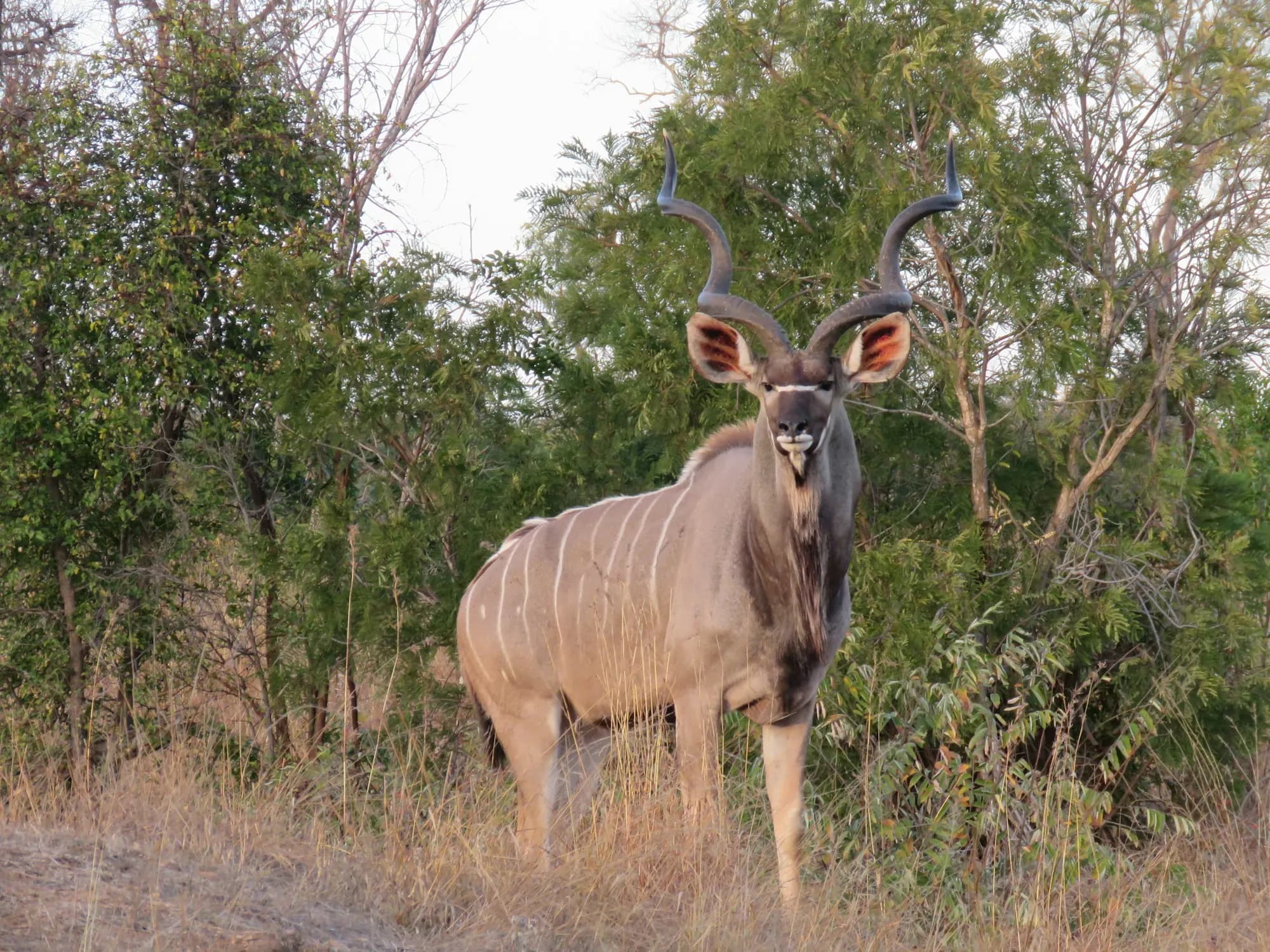
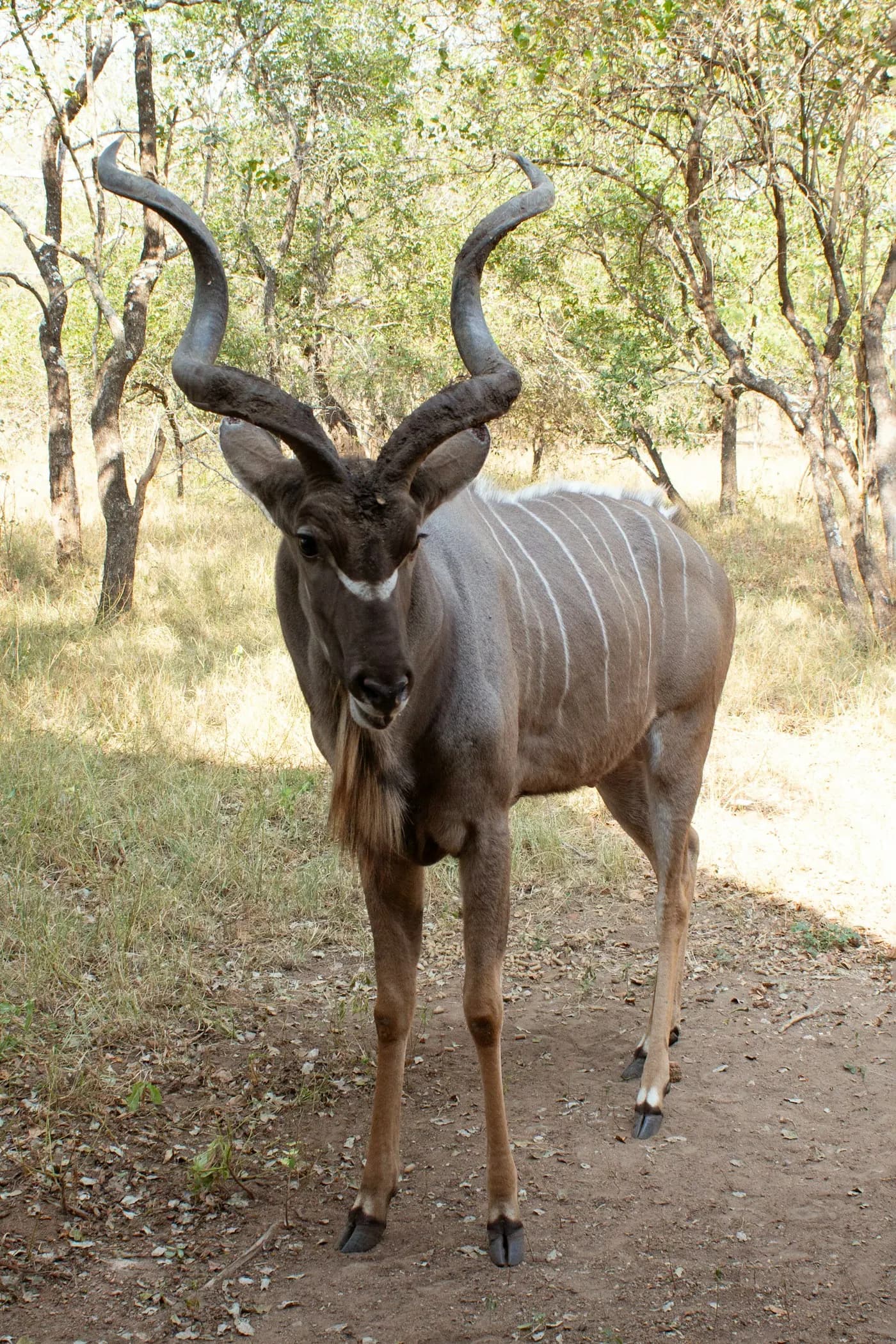
| Kudu | 274 | Large grey-brown antelope with thin white stripes; the bulls have long spiral horns. |
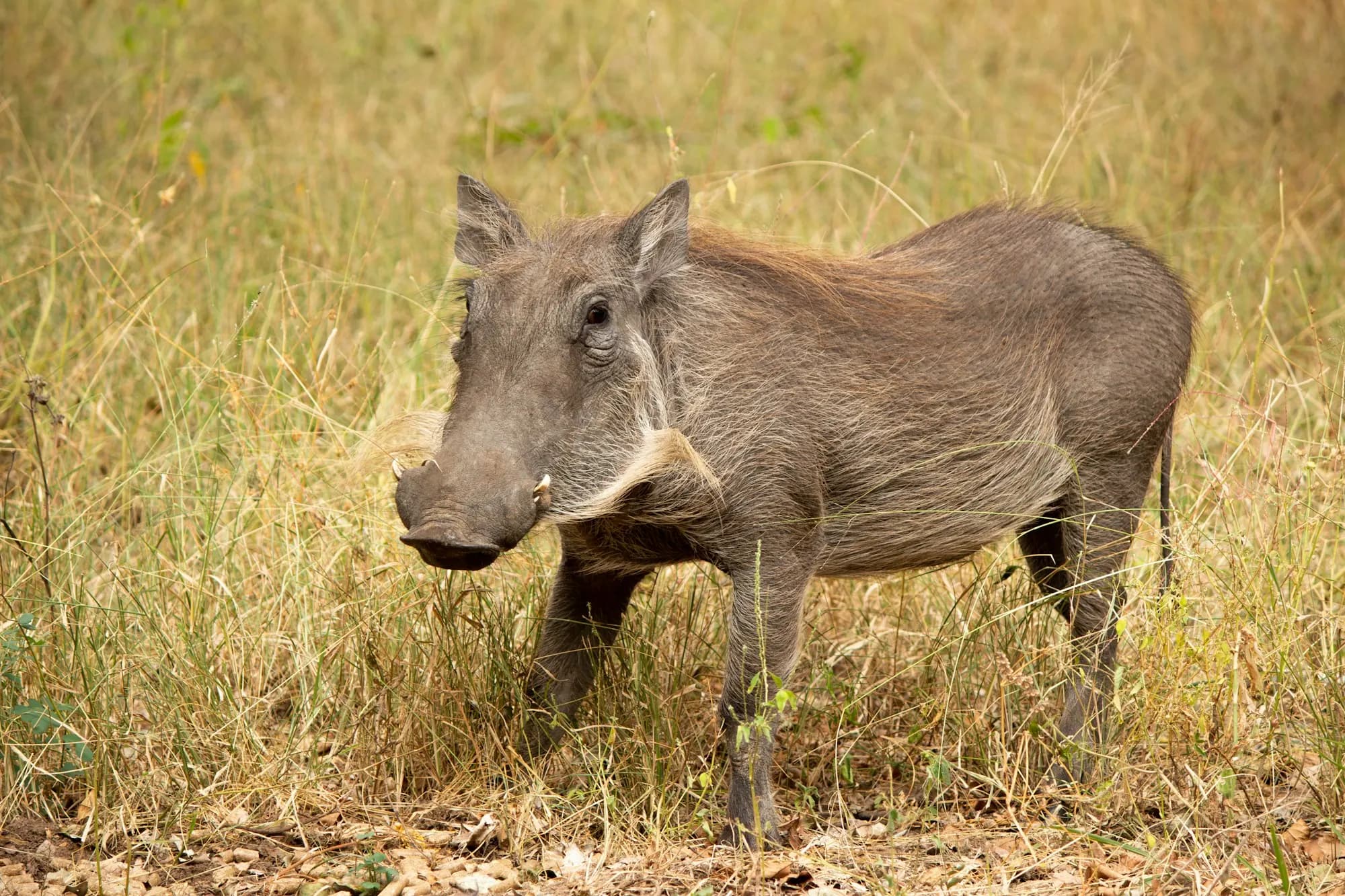
| Warthog | 256 | Wild pigs with tusks. |
| Bushbuck | 249 | A smaller, shy antelope of thicker bush. |
| Duiker | 110 | A small antelope. |
| Blue wildebeest | 79 | |
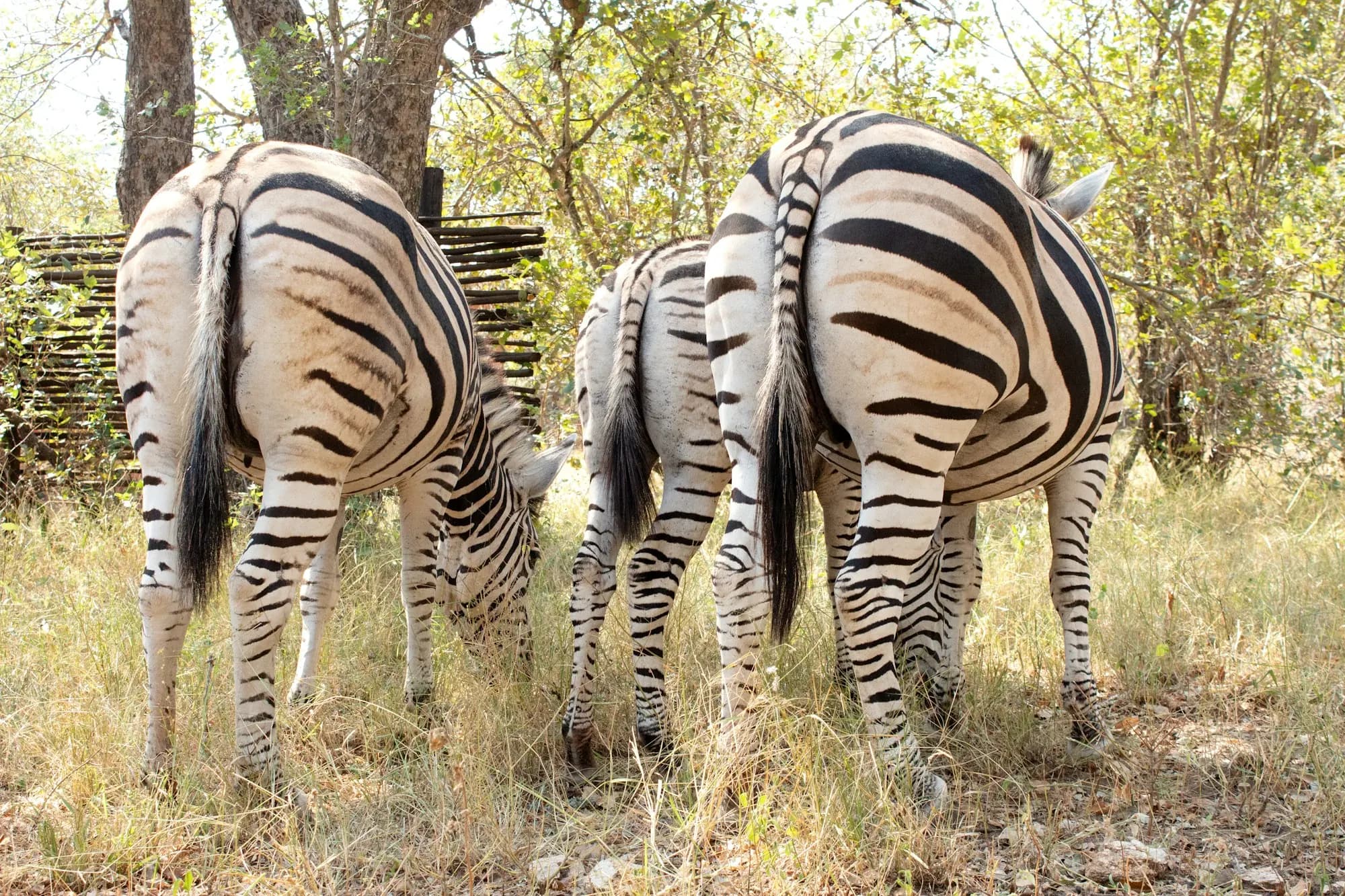
| Zebra | 64 | |
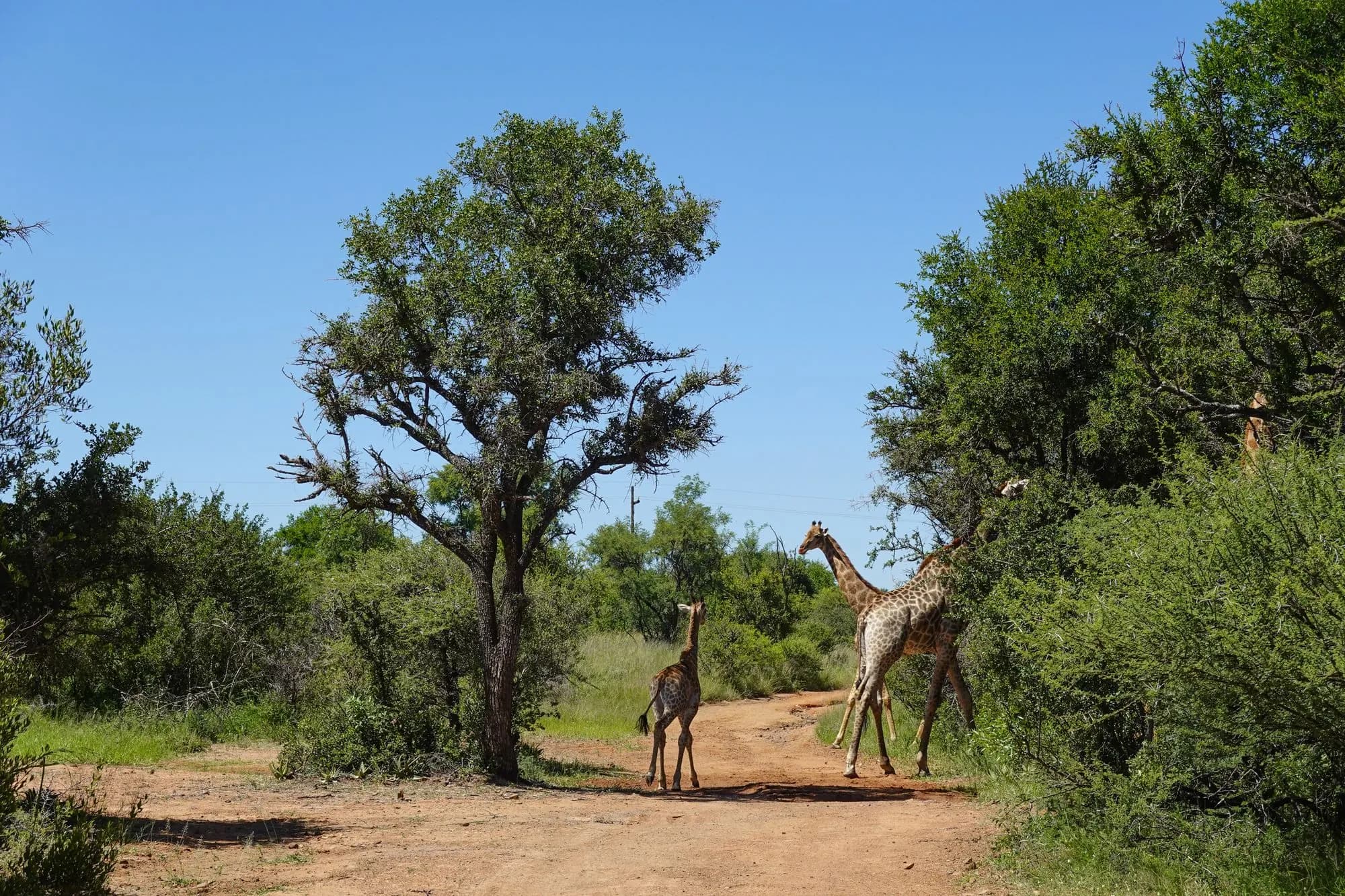
| Giraffe | 58 | Browse the tops of the trees. |
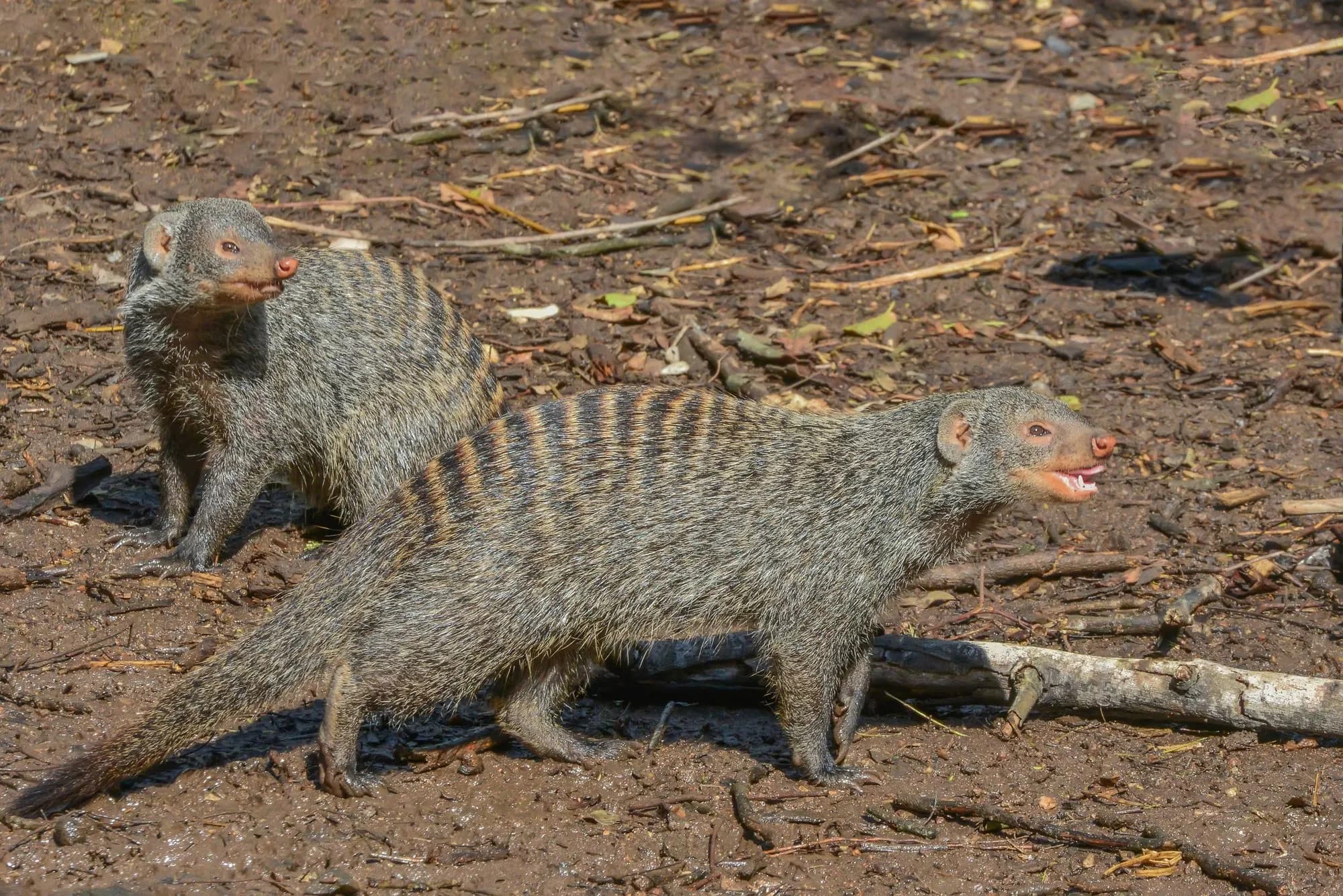
The count also found troops of baboons and vervet monkeys and groups of mongoose, and there are nyala and ostrich too. In October 2025 more than 1,000 animals, mostly impala, kudu and warthog, were moved to Lionspruit or to reserves elsewhere, so you'll see fewer than these numbers suggest.
At night
Sit outside after dark with a dim light and listen. Bushbabies, small grey primates with huge eyes, jump between the trees, and children love them. Genets and owls come out too, and Verreaux's eagle-owl is fairly common here. Don't put food out for the night animals. The feeding rule is antelope pellets and wild bird seed only.
Birds
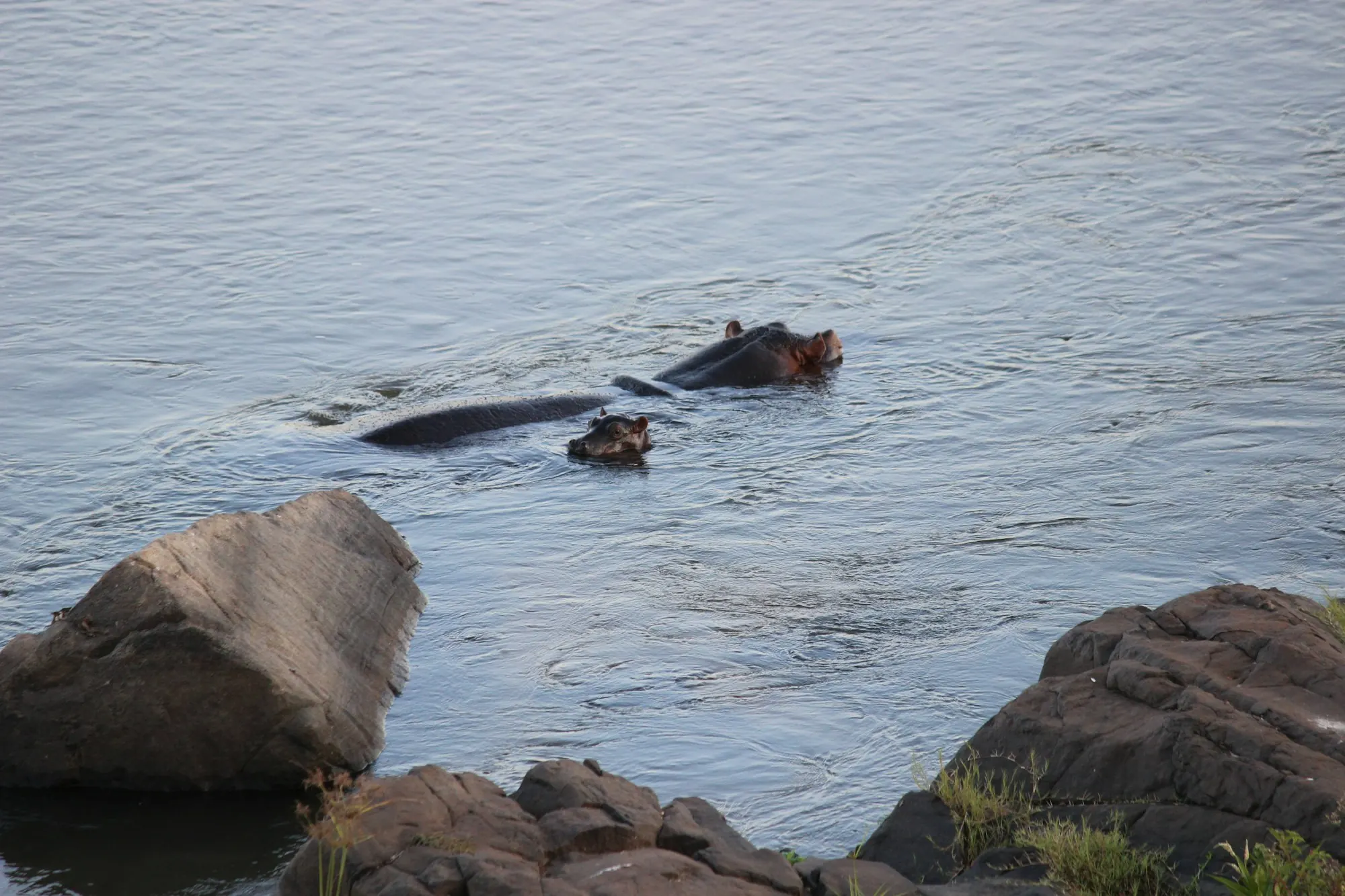
Purple-crested turaco feed in the big fruiting trees along the river, and white-crested and Retz's helmet-shrikes move through in bird parties. Look out for the eastern nicator, which in South Africa lives only in a narrow strip along the north-eastern border. Stierling's wren-warbler is here too, and saddle-billed storks work the river. Birders should also try Crocodile Bridge in Kruger, a well-known birding spot.
The big five
You won't see all of the big five in Marloth itself.
- There are no elephants in Marloth. They live in Kruger, and you can often see them across the river from the river roads and from houses that face the Crocodile River.
- Lions live in Lionspruit (about 1,500 ha), the fenced reserve inside Marloth Park, and you can drive through it in your own car. They're wild and move around, so a sighting isn't guaranteed. Lions from Kruger also cross into Marloth now and then.
- Buffalo live in Lionspruit too. Now and then one gets through the fence from Kruger, as a bull did in July 2026. A buffalo outside Lionspruit is dangerous, so keep well away and see what to do below.
- Leopards live in Kruger.
- We don't publish where rhino are, in Marloth or in Kruger, because of poaching.
For the full big five, spend a day in Kruger. A Kruger day trip from Marloth explains how.
Across the river in Kruger
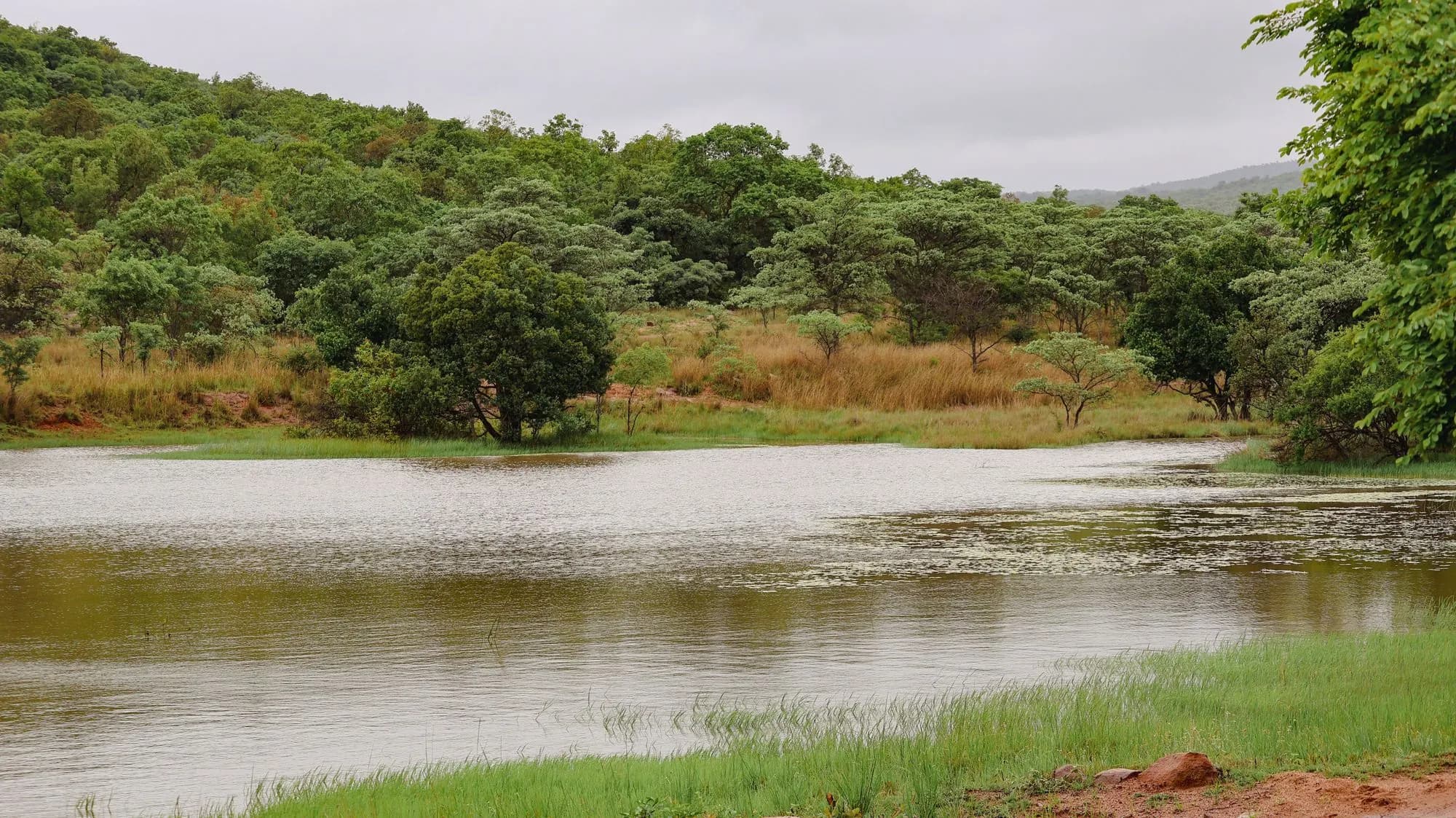
The Crocodile River is Kruger's southern boundary, so the houses and lookouts along it face straight into the park. Elephants often come down to drink, and now and then lions show up on the far bank. Early morning and late afternoon are best. See river viewing.
How to behave around the animals
- Give them room, and give them right of way on the road. Drive at 30 km/h or less on the gravel roads.
- Never feed by hand. Kudu and nyala bulls have horns, warthogs have tusks, and zebra kick and bite.
- Never feed baboons or monkeys. Keep doors and windows closed, and keep food and bins out of reach.
- Don't walk up to animals or get between a mother and her young. Watch from the stoep or the car.
- Don't shine a spotlight on animals at night.
- Keep children close outside, especially at dusk.
- If you see a lion, leopard or buffalo outside Lionspruit, get indoors or into your car and tell your host, so the municipal rangers can be called. Report it to the rangers and don't post where it is on social media.
Sightings and photos
When you post photos of lion, leopard or rhino, leave out exactly where you took them. We post predator sightings late and only by area, and never rhino. The rules page has more on the rules for guests.